The questions people ask us most about food labels and the campaign.
Campaign news, new resources and upcoming events, straight to your inbox. Unsubscribe at any time.
One clear, standard warning on the front of the pack, so every shopper can see at a glance when a product is high in sugar, salt or unhealthy fats.
Back-of-pack nutrition panels are detailed but hard to use in a busy shop: the print is small, the numbers are technical, and the information sits on the reverse of the pack.
At the same time, 33% of all deaths in Uganda are caused by NCDs, and 22% of Ugandan adults face the risk of premature death from an NCD. Many of the products on supermarket and grocery shelves contain excessive amounts of sugar, salt and unhealthy fats.
72.1%
of prepackaged supermarket and grocery products are ultra-processed foods and beverages
Source: Ministry of Health, Uganda food environment landscape analysis, 2025
56%
exceed recommended sodium thresholds
Source: Ministry of Health, Uganda food environment landscape analysis, 2025
48%
contain excessive free sugars
Source: Ministry of Health, Uganda food environment landscape analysis, 2025
46%
exceed saturated fat thresholds
Source: Ministry of Health, Uganda food environment landscape analysis, 2025
The Ministry of Health landscape analysis of Uganda's food environment (2025) found that processed and ultra-processed foods now dominate supermarket and grocery shelves. 33% of all deaths in Uganda are caused by NCDs, and 26% of women in Uganda were overweight or obese in 2022, up from 17% in 2006.
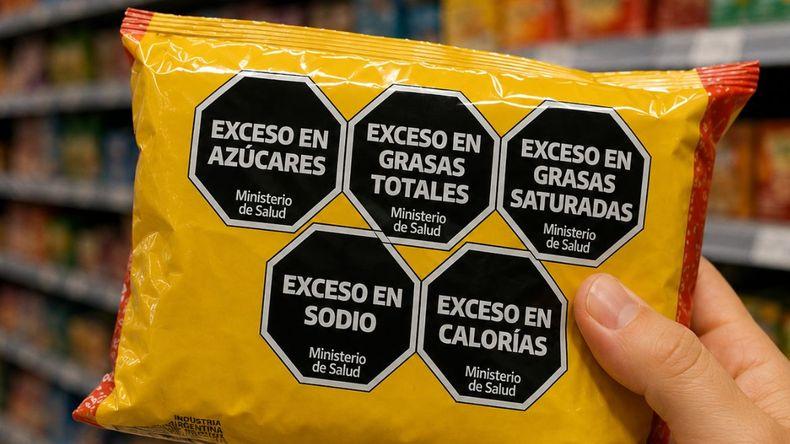
Front-of-Pack Warning Labels are clear, easy-to-read nutrition labels placed on the front of food packages to help consumers quickly identify products that are high in nutrients and ingredients of critical concern.
They help people quickly identify foods high in sugar, salt or unhealthy fats, compare products more easily, make informed food purchasing decisions, and they encourage food manufacturers to reformulate products by reducing unhealthy nutrients.
In Uganda, the warning would be based on the thresholds already set by the Uganda Nutrient Profile Model, a technical and scientific tool approved through the country's own policy process.

Evidence from countries that have implemented Front-of-Pack Warning Labels shows that they can improve diets and support better public health outcomes. By helping consumers choose healthier foods, FoPWL can contribute to:
The Uganda National Food Policy Coalition is asking the Government of Uganda to make Front-of-Pack Warning Labelling mandatory for processed and ultra-processed foods and non-alcoholic beverages, using the thresholds of the Uganda Nutrient Profile Model.
Uganda has already approved the Nutrient Profile Model. Mandatory Front-of-Pack Warning Labelling is the next step: it would put that technical standard in front of every shopper, at the point of purchase, and give manufacturers a clear, public standard to reformulate towards.
Mandatory Front-of-Pack Warning Labelling has not yet been adopted in Uganda. The coalition is advocating for it, alongside restrictions on marketing unhealthy food to children and healthier public food procurement.
Add your name to the call for clear, mandatory Front-of-Pack Warning Labelling in Uganda.
It is a clear, visible marker on the front of a package that flags when a product is high in sugar, salt, saturated fat, or excess calories, so you can see the risk before you buy.